Top Ten Games of 2025!
2025 was a big year for me. Even before you get to my moving cross country right at the end, I had a fair bit going on. I was recording for a podcast, I was working a full-time job, I was writing and hanging out with my friends... How the hell did I find the time to play so many video games?As you may know, I've made a habit out of cataloguing the games that I complete each year, and at the end of the year I choose my favorite ten. Last year there were 38 games for me to pick from. This year there are 63. I had my work cut out for me. Since there are so many to go through now, I've also added in a brief Honorable Mentions list near the end to highlight some other favorites, and it just didn't feel nicely balanced without a corresponding Dishonorable Mentions section. Also, I'm about to hit you with a wall of games I completed, so I should note that at least a few were ineligible for the list. For instance, DELTARUNE chapters 3 and 4 weren't going to make the list because that game is not finished. Look forward to it getting #6 in 2028. Also, for the games in series that I played a whole lot of, I restricted myself to only one entry apiece. Otherwise, this list would be nothing but Touhou games. 4 at the top, then 10, 7, 6, 5, 8, 2, 1, 3, and then 9. Trust me, I'm just correct about this.
All of that fair enough? Alright. Let's get to the good stuff. Here's the lucky contenders!
| Resident Evil 4 Remake | Touhou: The Highly Responsive to Prayers | Touhou 2: The Story of Eastern Wonderland |
| Touhou 3: The Phantasmagoria of Dim.Dream | Touhou 4: Lotus Land Story | Pacific Drive |
| Touhou 5: Mystic Square | SAMURAI MAIDEN | Monster Hunter: World |
| Resident Evil 2 Remake | Resident Evil 3 Remake | Rift of the NecroDancer |
| Resident Evil 5 | Resident Evil | Model Employee |
| Monster Hunter Wilds | Final Fantasy VII Remake Intergrade | Yakuza 4 |
| The Roottrees are Dead | Dark Souls II: Scholar of the First Sin | Rhythm Heaven Megamix |
| Touhou 6: Embodiment of Scarlet Devil | Granblue Fantasy Verrsus: Rising | Yakuza 5 |
| Yakuza 6: The Song of Life | Rhythm Thief & The Emperor's Treasure | Judgment |
| Little Goody Two Shoes | We Love Katamari | Bloodborne |
| Dark Souls III | Book of Hours | Touhou 7: Perfect Cherry Blossom |
| Urban Myth Dissolution Center | Mario Kart 8 Deluxe | Touhou 8: Imperishable Night |
| Touhou 9: Phantasmagoria of Flower View | Touhou 7.5: Immaterial and Missing Power | The Legend of Zelda: Echoes of Wisdom |
| DELTARUNE Chapters 3+4 | Strange Jigsaws | Is This Seat Taken? |
| The Great Villainess: Strategy of Lily | Disco Elysium | Unfair Flips |
| taking my Dark Knight Girlfriend to the corner store | Hollow Knight: Silksong | The Dark Queen of Mortholme |
| 1000xRESIST | CloverPit | SIGNALIS |
| YEAH, YOU WANT "THOSE GAMES," RIGHT? SO HERE YOU GO! NOW, LET'S SEE YOU CLEAR THEM! | Clair Obscur: Expedition 33 | Resident Evil Zero |
| Touhou 10: Mountain of Faith | Resident Evil: Revelations | Barrel Roll |
| Citizen Sleeper | Resident Evil 6 | Love Curse: Find Your Soulmate |
| Resident Evil: Revelations 2 | UNBEATABLE | Haste |
Jesus, that was a lot. I was really working 40+ hours a week and did all this? Damn. Okay, without further ado!
#10 - Touhou 4: Lotus Land Story

At the outset of 2025, my best friend and I decided to undergo a long and arduous journey of playing all the mainline games in the Touhou Project series. As with all good journeys, this is one we are still on - you’ll note quite a lot of games on this year's completed list, and we only made it about halfway through what’s currently out. The first reaction we’d have playing these games was “Oh! This is what that girl is from!” or “Wait, she’s a Touhou?” But the second that set in as we went about our task was “Hey, these are really fun.”
For the uninitiated, Touhou is a series of games that began in the mid-late 90s that largely (but not exclusively) belong to the bullet hell subgenre of shoot-em-ups. They feature waves of projectiles that need to be precisely dodged with cautious movement in order to survive, otherwise referred to as ‘curtain fire.’ And unfortunately for everyone else who’s ever made a bullet hell game, Touhou knocked it out of the park straight out of the gate by making its entire cast girls in frilly dresses with cutely offputting personalities who make strange remarks at one another before shooting hundreds of thousands of bullets at each other until they explode. Sorry. Really, there’s no shame in losing to the best.
Now, the series took a bit to find its footing. The first game was a Breakout clone where you risked being crushed to death by your own flying yin-yang ball. The third was a head to head competition where the more enemies you killed on your side of the screen, the more would appear for your opponent. But the throughline that they all shared at the end of the day was an incredible amount of charm and pure, sweet love of the game. Are some of these attack patterns bullshit? Yeah. Can these games be too frustrating for their own good? Of course. But I’ve liked more frustrating games with less charm for fewer reasons than this.
So why Touhou 4? It’s a good question. I appreciate the unique mechanics each Touhou game brings to the table, whether the change is big or small. Imperishable Night’s time mechanic, Perfect Cherry Blossom’s… cherry blossoms - it always feels fresh and fun. How can I pick one out from the crowd?
Hey. You ever hear Bad Apple? Here you go.
#9 - Citizen Sleeper
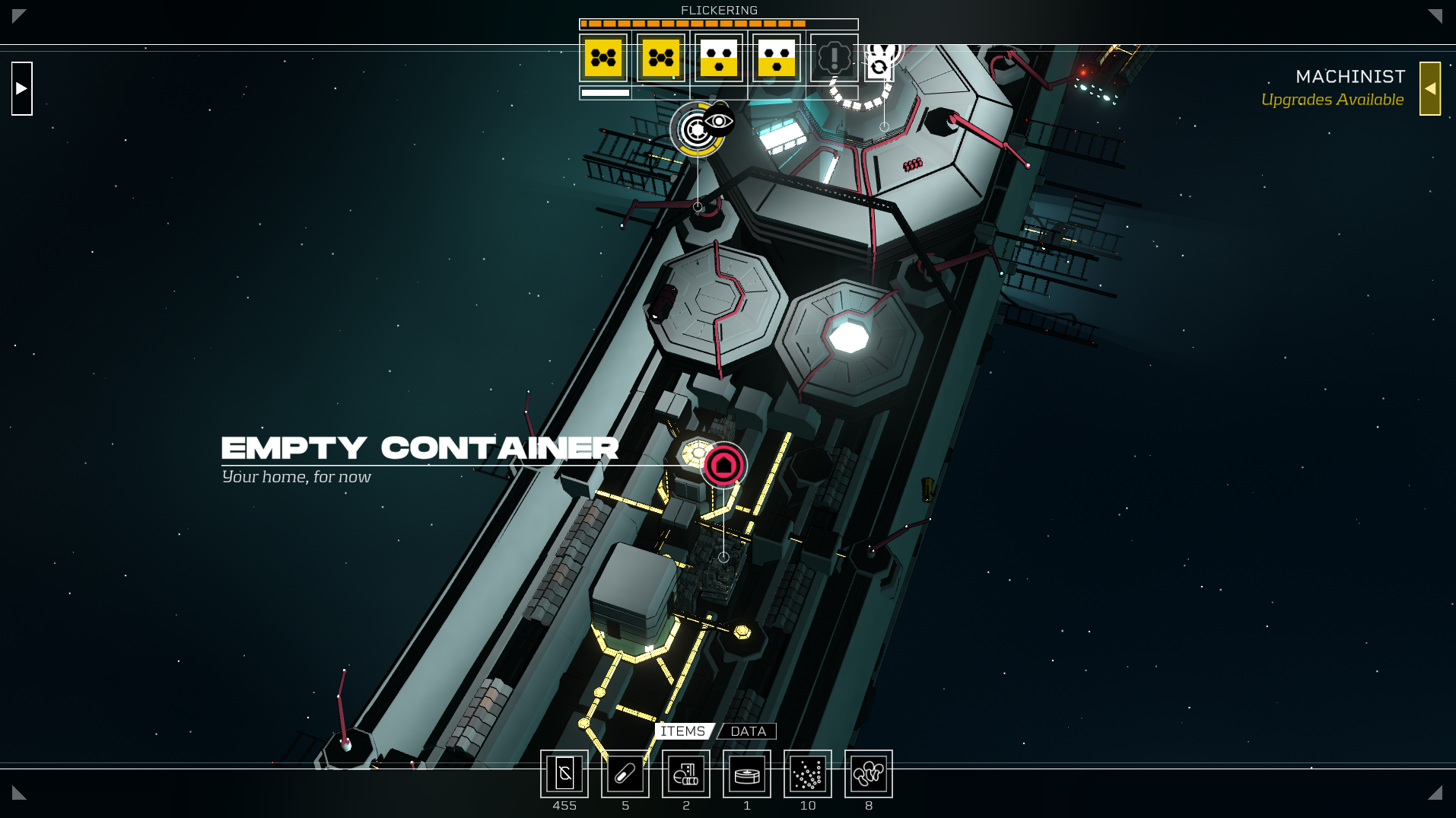
This is the first of several computer games about dice that will appear on this list. Isn’t it funny how the human mind, sufficiently trained on childhood board gaming or craps, can see a single dot contained within a square next to another single dot contained within a square and that instantly translates into ‘fuuuuuck, really?’ Isn’t it funny how the traces of the physical remain in the digital, and become the hallmark signifiers of something they aren’t?
The thing about Citizen Sleeper’s dice is that it does more to replicate a certain physicality to the use of the dice than some of the later dice-based adventures that will appear on this list. Instead of simply telling the computer to randomly generate a number between two and twelve with a higher weight to seven or whatever, the dice are rolled and assigned as they are in many board games, like Yahtzee or the one about monsters in Tokyo. This necessary physicality underlines all of Citizen Sleeper’s digital mechanics. Want to plug away at your factory job? Toss a die in. Want to chat with a local hottie about their mushroom farm? Pop a die right in there, no problem. Want to slug it out with a mob enforcer? Well, I hope you’ve got a high roll left. These limitations of physicality are imposed constantly - over time, you’ll receive fewer and fewer dice as your corporeal form strains under the pressure of existing in the world, with only very limited ways to re-up to peak condition.
Playing Citizen Sleeper creates a sort of analog-digital recursive loop that I find fascinating. You are (or at least I am, I don’t know you) an analog being interfacing with a digital system via analog tools to affect digital recreations of physical randomization to control your digitally remade character in a physical (but still digital) body. In certain endings, you can abandon your physicality and climb one layer up that loop. In others, you can cling tight to it.
And in the ending that I chose, I did nothing. I completed the quests available to me, and then I just went home. I’d found a semi-steady supply of my stabilizer, I’d seen my friends off on their voyage. I had allies and enemies, and I’d found my place. That was all I needed. I didn’t need it to say ‘You unlocked the ‘Same Shit Different Day’ ending!’ and pop up an achievement. Citizen Sleeper is the kind of game that facilitates that kind of contentment. I hope, wherever she is, my Sleeper’s doing well, whatever trouble she faces. And I hope she hopes the same for me.
#8 - Yakuza 5
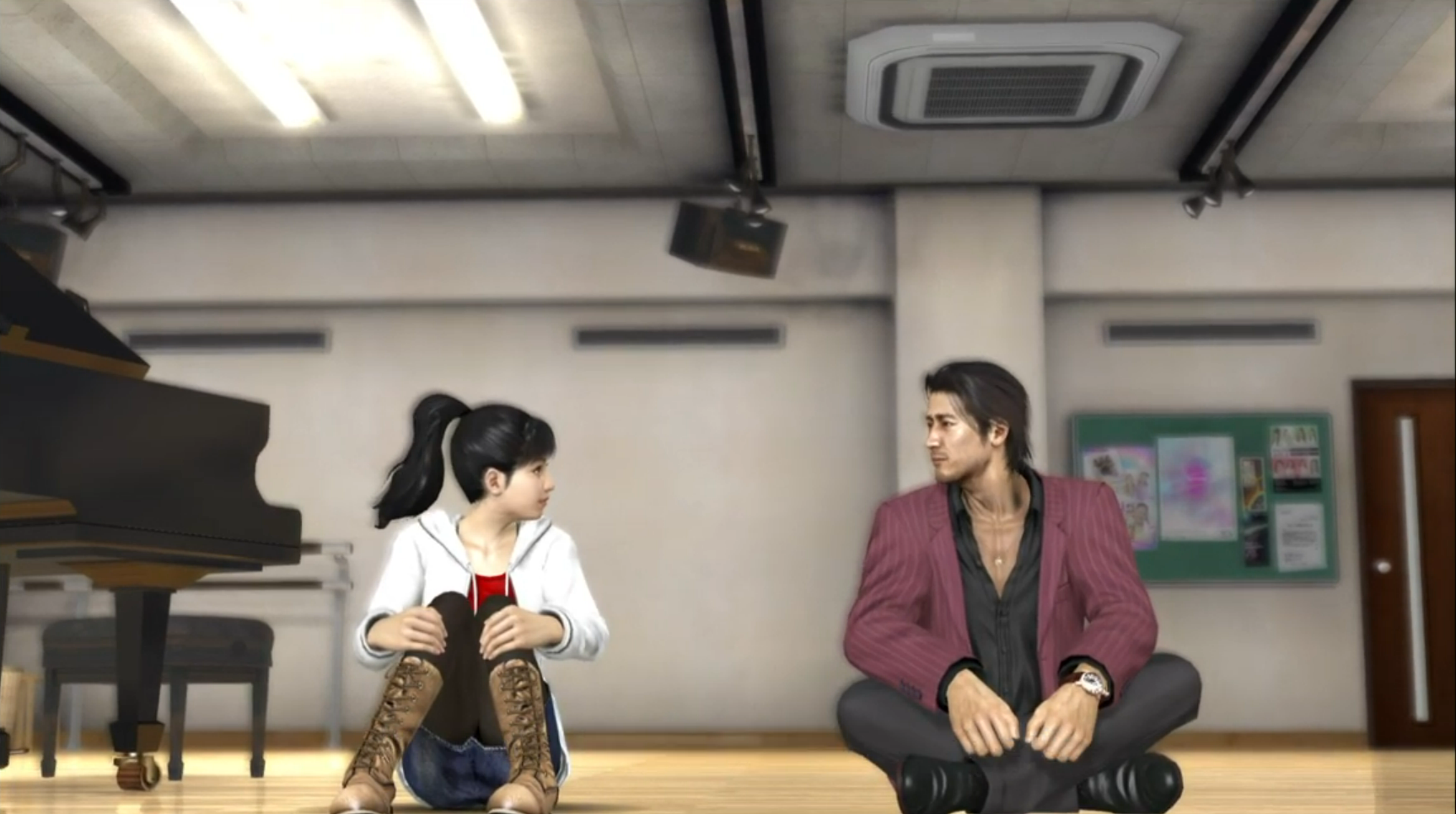
Very few games make me go ‘video games are so fucking cool’ more than Yakuza and its spinoffs. I love this series. I beat a lot of them this year. I think it really sucks how bad Kiwami 3 was handled. The whole studio is angling for this sort of pastiche of prestige that’s led them down some really creatively bankrupt roads, and it’s such a shame to see. This series has always thrived on the interplay between its complex, cinematic plots and the extremely wide variety of random shit you can do in its central cities. These are maximalist games, and none are more maximalist than Yakuza 5.
Here, we have five protagonists and five cities to explore (It’s always fun when a game has an obsession with its own number, isn’t it?), all with their own movesets and restaurants and side quests and side modes and characters. Series mainstay Kiryu and returning heroes Saejima and Akiyama are joined by promoted-to-protagonist Haruka and newcomer Shinada, making for a ton of great variety in playstyle. Now, the obvious complaint I’m going to get out of the way is that Yakuza’s first playable female character does not engage in the kind of street fighting these games have become known for and instead must compete with her opponents in dance battles. Playable women aren’t going to get the chance to actually throw down until Yakuza: Like a Dragon, two whole games later, which is a shame. But at the very least, Haruka is an active agent in the plot and a lot of the game revolves around her relationship with Kiryu and the ways that’s changed over the past four titles. (If someone tells you you don’t need to play the Yakuza games in order, they’re lying to you.)
There’s a lot I could go into if I talked about the aspects of this game I loved, so I’ll focus on one particular element: Shinada, the fifth playable character and the only one of the five to never appear in a title before. Shinada replaces Tanimura, Yakuza 4’s smarmy scumbag ‘so openly corrupt he’s actually chill’ cop character and is a much more welcome presence. After being driven out of professional baseball by scandal, Shinada becomes a nightlife magazine writer who drafts up articles on local brothels and clubs and scrapes by in debt to a local mobster, just getting through his days as best he can with only a couple yen to show for it. I’m not certain that at any point does he really understand what it is he’s been wrapped up into, but he consistently comes away with the best scenes in the game, whether it’s taking on a couple dozen black-sunglasses yakuza types with his greatest rival or stumbling around his shitty shipping crate apartment in his skivvies while his boyfriend harangues him for money. Even his gameplay is great - Shinada has a super kinetic style that focuses on using weapons, whether you find them in the environment or bring them yourself. And his associated side mode is an expansion on the batting cage minigames that have been in the series forever, but because Shinada’s a pro with a deep love of the game, it’s quite a bit more complex than in the past.
Now, one might think that these two things - Shinada’s past as a pro ball player and his weapon based fighting style - combine to make an obvious outcome. Ever since Goro Majima started using a Louisville Slugger to brain mooks for rent in 1988, the humble baseball bat has been an iconic staple of the series’ combat. So imagine my surprise when, upon making sure a grunt’s primary care provider would see constant work for the next few months, Shinada picks up the dropped bat and gently runs his fingers over the dinged metal before setting it back down. He does not launch into a brutal combination attack that will send three people to the hospital. He doesn’t even swing it. He respects the game too much to use it as a weapon of violence. And that’s where I am with Yakuza 5. I love this game far, far too much to ever raise it against my fellow living creature.
Though I suppose Yakuza 5 disks aren’t quite suited for barfighting. Maybe squashing bugs. And my copy’s digital anyway.
#7 - 1000xRESIST
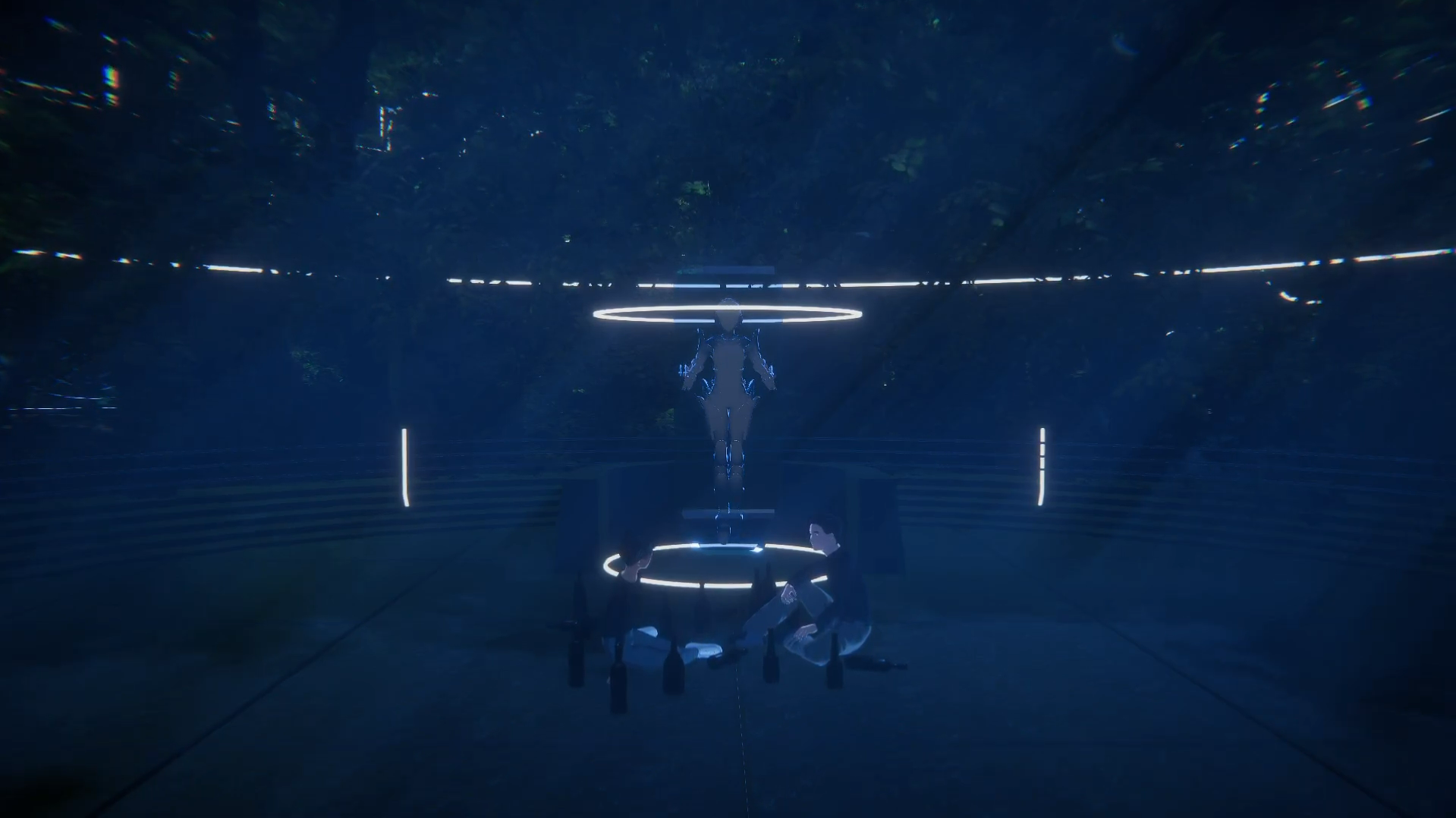
When I set about playing 1000xRESIST for the first time, I had no idea what to expect. The most I had seen of it was the opening cutscene. Genuinely, honestly, I thought I was going to start pressing X to light attack and Y to heavy attack at some point. What I got instead was a deep, gripping, incredibly personal and affecting story about the friction between people and time, the dominoes of familial relationships, abuse and love and all their messy little intersection points, and how a single typo in the group chat can change the course of human history, or at least you’d think so with how often your friends bring it up to you.
This game exists within a contradictory space to me. It is a game that goes all in on the narrative, a walk and talk simulator where the worst part is the parts where you walk. I wonder, sometimes, if it deserves to be at number 7 on this list. I put it above Yakuza 5, a game I had fun with from start to finish. And then I consider the other side of the coin, the fact that the game’s gamble on its narrative pays out immensely. This is one of those magical games where everyone is everyone’s favorite character, because it really imparts that these characters are who they are because of each other, the ways in which they reflect and refract and absorb into one another. There are sequences I think about in this game and I wonder, wow, does this really deserve to be at number 7 on this list?
So 1000xRESIST is in a unique position. It, more than any other game here, should be at another spot. It is held here by the raw tension between being dragged lower by its faults and drawn upwards by its monumental successes. If you ask me again next week, I might put it at 10 or at 2. But make no mistake, I will never, ever leave it off this list.
#6 - SIGNALIS
I have a very short relationship with survival horror. I began playing the Resident Evils when a friend gave the remake of RE4 to me for Christmas in 2024, and since then I’ve finished basically all of them except the spinoff games I haven’t decided to care about yet. But those have always been more survivable than some others in the genre thanks to B-movie plots and a willingness to be over the top in the hammiest ways. Outside of the adventures of the Raccoon City squad and all their pals, though, I generally stay away from the more horrifying fare. Something’s gotta have a serious selling point to get me in there.
Like, for instance, lesbians. That will do nicely.
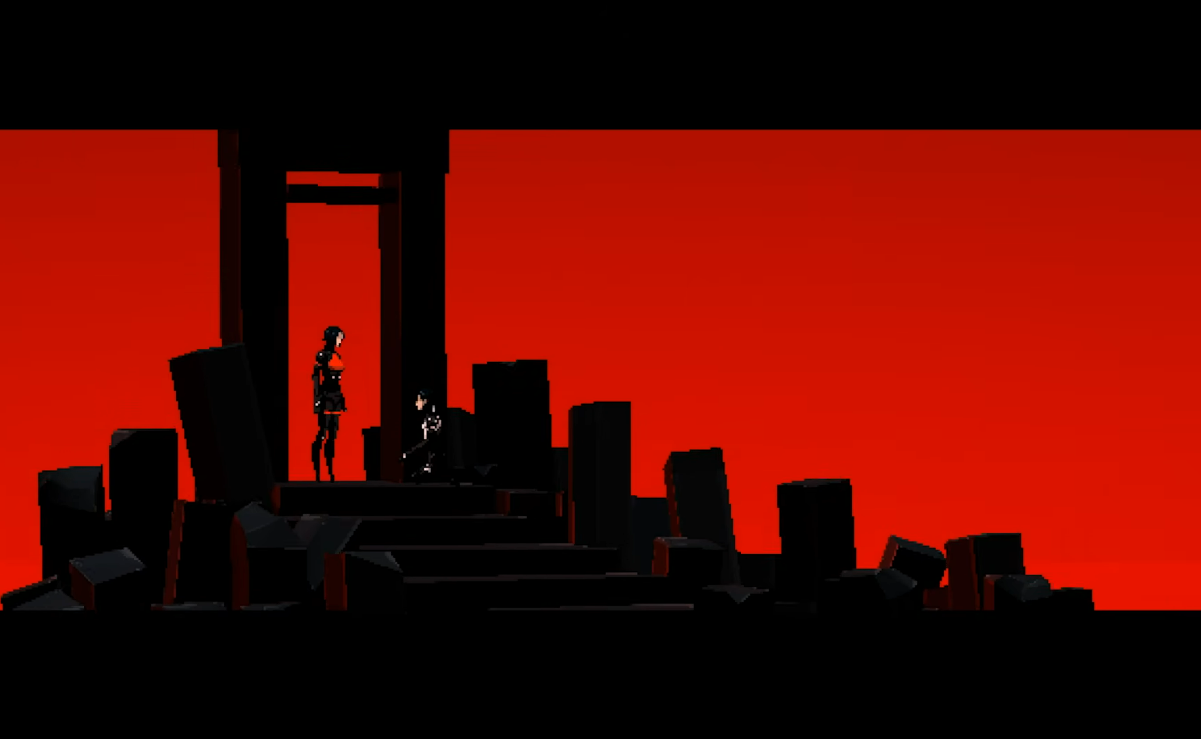
The cavalcade of sweet fan-made content surrounding SIGNALIS often masks how grisly the game itself is. And that’s understandable, but it’s a shame. SIGNALIS is at its best when it's at its meatiest. Elster’s struggle to survive the harsh climes of the facility and beyond are, more than any other game I’ve played, a struggle to survive. In spaces this tight, and with supplies even tighter, the feeling of needing to use absolutely everything at your disposal to get through the trials you face permeates the entire experience. Maybe, I don’t know, maybe I’m just showing my lack of knowledge in the genre.
Let me talk about something that is a little more in my wheelhouse. SIGNALIS is the kind of story where if you try to look up an explainer on what actually happened, you lose. The dreamlike narrative weaves settings and scenes together in ways that often don’t make logical sense. It’s the pieces that stand out, that tie together, that create the ‘reality’ of SIGNALIS. And when you’re dealing with the magnitude of uncertain grief that Elster is, that’s absolutely what it feels like. Looking back on the worst period of my life, notions like ‘time’ and ‘place’ break down until all I can recall is the relative distance between me and where I wanted, needed to be. Grief has this way of making people ruthless - when you’re in the throes of it, it’s so much easier to see that single razor-thin line that will take you forward at all costs. I don’t mean ruthless in the sense it gets used for villains who will randomly go back on their word to be bigger bastards, I mean ruthless in terms of efficiency. Pure, unbridled emotional optimization. Show me how the crow flies, and I’ll make my wings to follow it. It’s that relentlessness that takes Elster through her journey, that brings her back to her love’s side, no matter who either of them are at the end.
So how’d I do, Dr. Rorschach?
#5 - Hollow Knight: Silksong
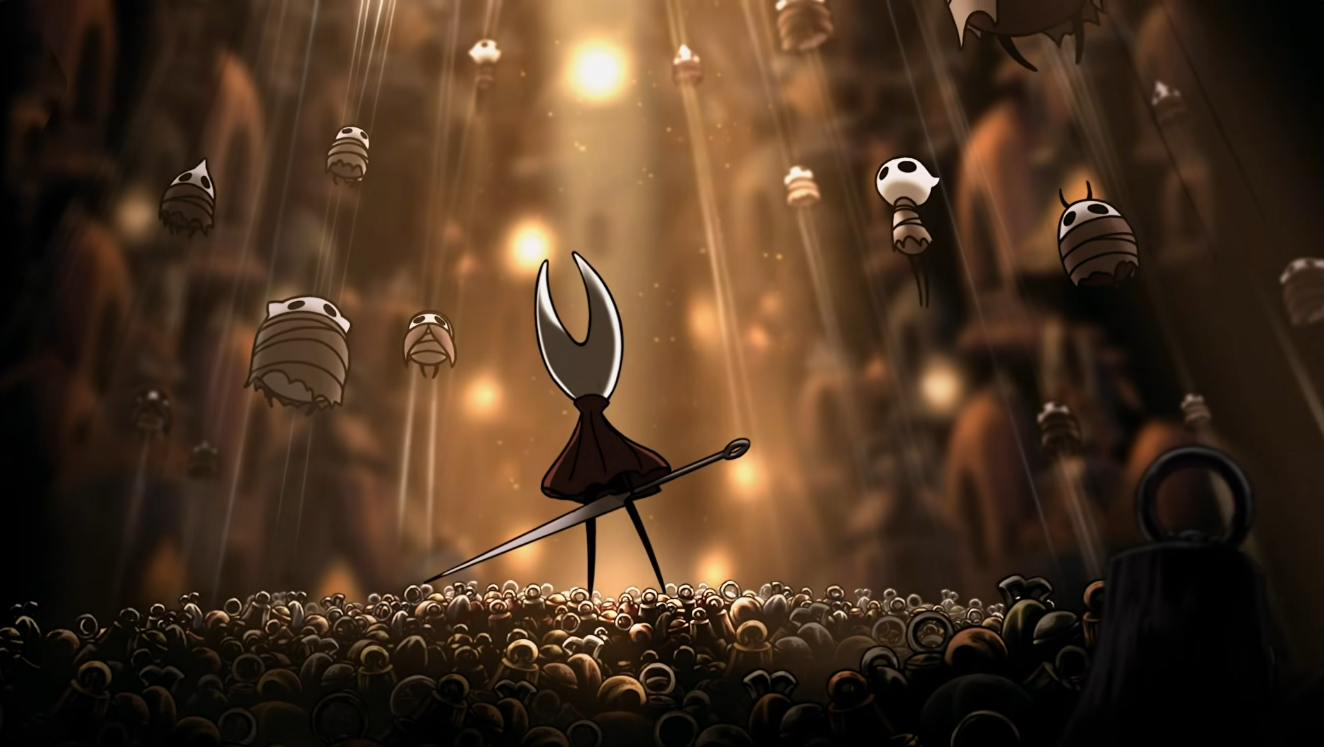
It’s impossible to talk about Hollow Knight: Silksong without mentioning the apparently agonizing wait for the game’s release, so I will get that out of the way first. Let me get my bona fides on the table. I played Hollow Knight in college and liked it well enough, and when I heard about Silksong I thought that it sounded fun to play as one of Hollow Knight’s most memorable characters. I never got exceptionally hyped, but my anticipation didn’t ever diminish. This is all to say that anyone who was more excited for Silksong than me is a hype train-riding bandwagoner more obsessed with memes than with actual games, and anyone who was less excited for Silksong than me is a rube with no taste. As such, I am the only one qualified to give a properly objective opinion of Hollow Knight: Silksong’s quality, and I will now make my judgement.
Hollow Knight: Silksong is pretty good.
One of the biggest upgrades in the game is the movement. I won’t sit here and tell you that the original Hollow Knight wasn’t fun to run around in but Silksong takes it to another level. Stringing together Hornet’s various mobility skills is an absolutely buttery experience that lends itself to a certain kind of flow state, as opposed to the original’s more methodical platforming. Any of the game’s various movement-based challenges are a treat, since certain skills like the dash or the grapple let Hornet fling herself around the map much faster than the Knight ever really could. Even Hornet’s downwards aerial attack lends itself to this philosophy, since she launches at roughly a 45 degree angle instead of simply slicing straight beneath her as the Knight did. This in turn causes her to fly forwards when she bounces, and allows for her to chain together more sprints and grapples. Finding that perfect golden line through the environment was the best thing about the entire time I spent playing this.
But it was far from the only good thing. Much like the original, Silksong’s setting Pharloom is populated toe to tip with a wide variety of charming characters, from Hornet’s rivals like Lace and Shakra to friends like Sherma and Shakra and even to those who are both, like the Bell Beast and Shakra. These interactions are strengthened by the fact that, unlike the Knight, Hornet speaks. The Knight indicated their opinions in implication every now and then but was otherwise stoic, and Hornet smacks the shit out of people who speak to her the wrong way. I’m not willing to say this is better than Hollow Knight; the two games are just aiming for different effects via these characterizations. I am, however, willing to say I like Silksong’s approach way, way more.
Pretty much the only problem I had with Silksong was its ending. Not the narrative, that was fine enough, and the fact that the game ends early without you knowing it if you do the wrong boss at the wrong time is a fun choice. But the actual ending, the True Final Boss, was just underwhelming to me. When I delivered the last hit, I kept waiting for a third phase that never came. That was it? That was all? This makes more sense when you take into account that the game was originally going to be DLC, but one more healthbar and set of mechanics on that final boss genuinely might have put this a couple spots higher.
#4 - Disco Elysium
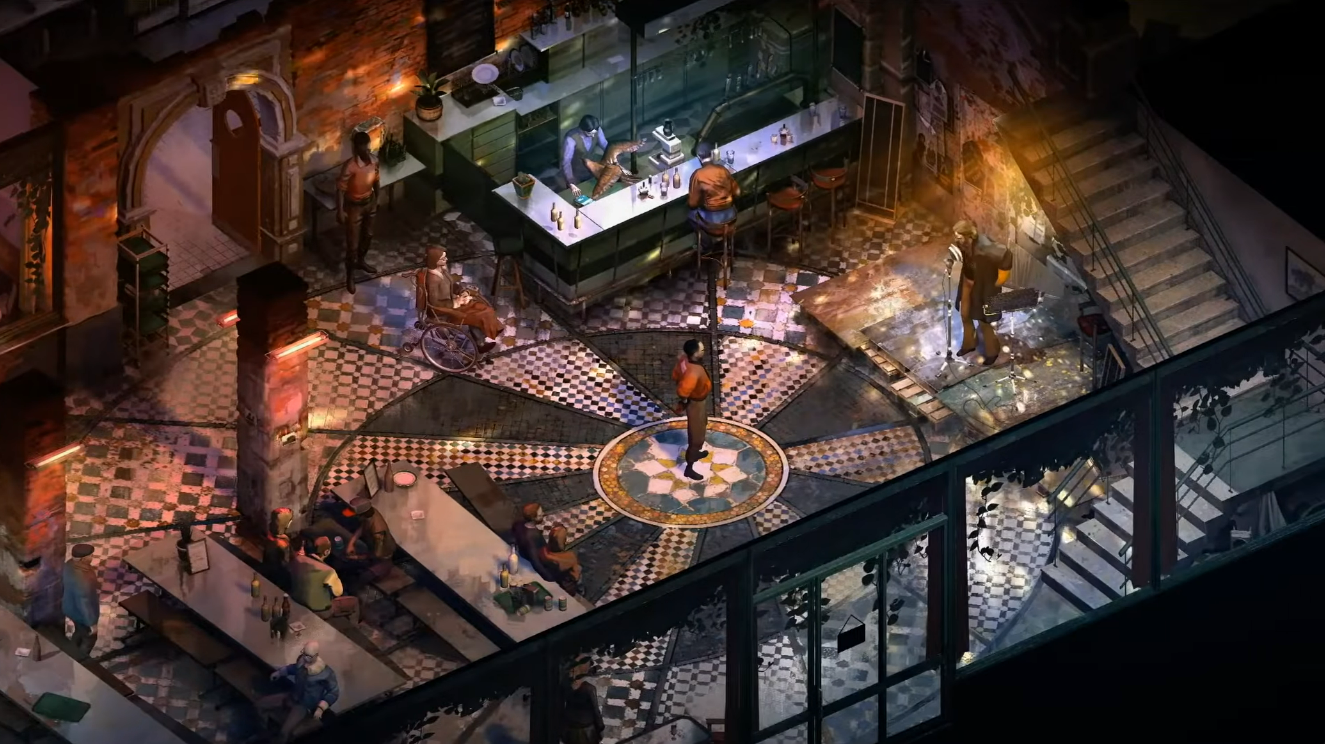
You don’t need me to tell you Disco Elysium is good, you’ve already heard it. We’re gonna move on.
#3 - Unfair Flips
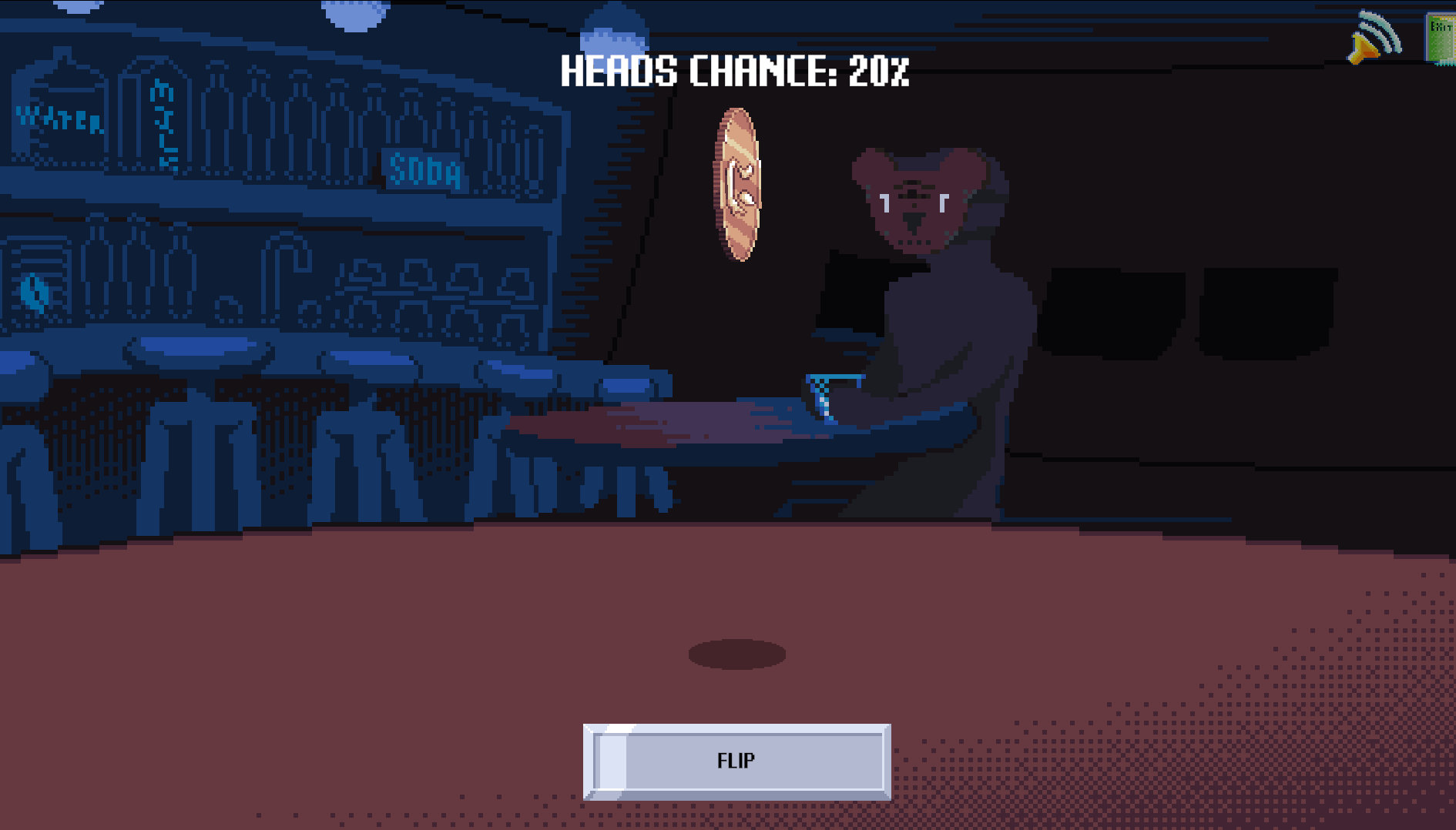
Now we’re talking.
Around fourth grade, I read a book called Flip, by David Lubar. I remember it decently well - I think I must have read it maybe three or four times while I had it from the school library. The premise of the book is that these siblings find disk-shaped alien devices that allow them to take on the memories and personalities and even sometimes the physical abilities of famous earthlings from across history. All they have to do is flip the disk. Now, light spoilers for David Lubar’s Flip ahead, but the two wind up getting into some pretty chaotic shenanigans over the course of the book. The brother flips into Babe Ruth and downs a dozen or so hot dogs at lunch and one of them becomes Albert Einstein at some point. There’s a narrative about the tendency of parents and teachers and other authority figures to try and medicate problems away when faced with a kid who can’t pay attention, or some kind of lesson about peace and bullies also coming from rough homes or something. But the one thing that I remember more clearly than anything else in the book is the way that that first flip is described.
See, the disks don’t work on any old flip. There has to be a certain amount of kinetic energy imparted into the disk or else it doesn’t activate and enable the whole experience. It also has to hit the palm before that energy naturally fades. This means that the main duo have to get really good at the platonic ideal of the coin flip - fast, low, and controlled. They listen for that sound, that ping that tells them they’ve nailed it. It was such an evocative bit of writing that really made a deep impression on my young mind, and I remember swiping some quarters out of a change tray to try and practice getting that ping myself.
I wish I could tell you I’m now a seasoned national professional coin flipper but I’m not. In fact, I think I’m probably only slightly better than the average coin flipper. Part of that is because I’m out of practice - in an increasingly digital world, the chances to obtain coins with which to flip are fewer and further between by the day. I also have much larger hands than I used to, which makes the flip harder to control and have more developed muscles, which makes using the right amount of power on the flip feel like a janky Stardew Valley minigame. Not fishing, I mean something you’d see at the festival. I think I’ve gotta face the music and admit that coin flipping might just be a younger woman’s game. But at the same time, this is a wide and beautiful world, my friends, and there are many, many things available to flip.
You have, of course, the humble bottle, whose fifteen months of fame keep finding one-week extensions as media figures use them as reasonably difficult but hardly impossible flip challenges. There is also the writing implement flip, beloved by stylish nerds and dorky artists alike. I employed this one quite liberally when I was working in a pizza shop - every time I used a marker to jot something down on a ticket, I’d flip the marker around in my hand before setting it down. Almost entirely unconsciously too, I didn’t realize I was doing it until my fifth worst coworker pointed it out. The phone flip, not to be confused with the flip phone, is one that finds its way into my repertoire now and then if I’m feeling particularly daring or paying particularly little attention. In all these cases, the most intriguing part of that flip is the motion through the air, the spin, and the catch. It’s the way that flipping as an act decorates both space and time and how a flip is at its best a carefully negotiated conversation with the earth itself and at its worst really, really funny.
At the end of the day, however, it’s nice to revisit the classics. My prime days of coin flipping may be behind me but I’ll always hold a fondness in my heart for that soft ping of the perfect flip, the way the coin feels warm in my hand when it lands. And in a world that predicates worth on effort, practicality, and results, it really is nice to engage in such a truly, utterly, beautifully useless pursuit as flipping a coin.
#2 - Book of Hours
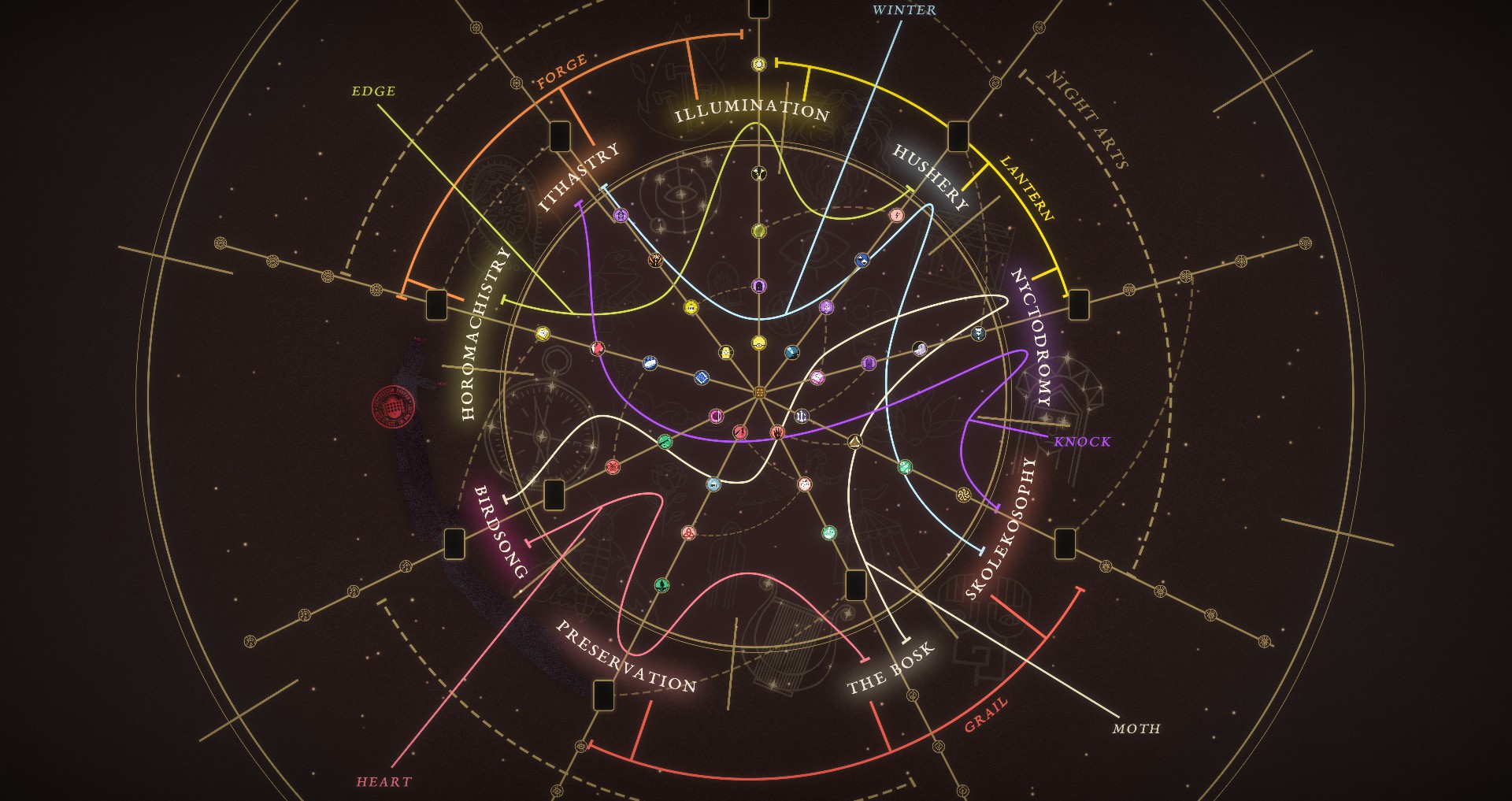
The concept of the ‘spreadsheet game’ is notable for connecting otherwise disparate games that nonetheless share an incentive to pop open your workspace software of choice and start filling in cells. For some, it’s farming sims like Harvest Moon and for some it’s that in-depth Paradox brand of empire builders. For some, it’s MMOs like Final Fantasy XIV (this category includes me, to an extent). But pound for pound, row for row and column for column, my spreadsheet game of choice is Book of Hours.
To describe Book of Hours as a ‘librarian simulator’ wouldn’t be incorrect, but it certainly would do the game a steep disservice. You take the role of the newest Librarian of Hush House, a longstanding fixture of occult literature that has fallen into disrepair after nature both human and inhuman runs its course. Your task, if you can call it that, is to catalog the many tomes that are littered about the house while you lift curses and clear rubble. The knowledge contained within can help you broaden your esoteric skillset, all in service of your ultimate pursuit to scribe a new History into existence. And as it turns out, the path to scribing that History involves a lot of reading books that are probably kind of dogshit when it comes down to it. By the end of my time with the game, I had 196 books listed in my personal spreadsheet - they can’t all be winners, right? I know The Locksmith’s Dream series by Teresa Galmier is a modern classic, but you can’t look at me and tell me that Ettery After is really on that same level.
There’s a sort of pervasive mundanity to all of Book of Hours which blends with the constant deluge of arcane proper nouns and immaterial concepts. These concepts form a cosmology that always stays right on the periphery of the game, because none of it is ever really shown, only described. No matter what the Librarian is enchanting or dispelling, you’re always just looking at the house you live in. Preparing coffee for a guest may take the exact same skills and tools as drawing a mote of knowledge from within the space between worlds and using it to create the kind of ink that’s banned in 54 countries on account of all the ontological terrorism it could do. It’s all just books, all the way down. You can buy them from the bookseller, loan them out to your contacts, catch curses from them, or chuck them in the fire if you really want to. It doesn’t matter what you do, and the only way to lose is to stop playing. The Librarian can take as long as they so choose to write their History, and they might never write their History at all. And it just does not matter. Life goes on no matter how many excessively hyphenated names you know. There’s something comforting about that. You can always get back on track, your books are right where you left them, and there is always more time to learn and grow and change.
This is, to me, what the descriptor ‘cozy game’ should be. Instead of a game whose cutesy aesthetics are expected to be a replacement for challenge and conflict, Book of Hours is a daunting task that gives you all the time in the world to take it at your own pace. It’s a game that trusts its player and that’s something that really ought to be rewarded - even if it did trust me to intuit how a shilling works, which was bold.
Honorable Mentions
Pacific Drive - I cannot drive in real life, but I’m pretty good at it in games. I assume that there are marginally fewer suction cup creatures for actual drivers, but only marginally.The Great Villainess: Strategy of Lily - Great game, but kept off the main list by the fact that the protagonist Lily is kind of irritating. “My sexy villainess girlfriend is too violent and unhinged, my steak too juicy, my lobster too buttery” boo hoo.
Resident Evil Revelations 2 - I wasn’t expecting much after being underwhelmed by the first Revelations, but I really liked this game’s narrative format. Kind of surprising that Resident Evil hadn’t gone for the ‘death game’ vibe earlier.
Bloodborne - Isn’t it so weird that neither this nor Dark Souls 3 made the list? And they got cut for a PC-98 game from 1998? Wild.
Clover Pit - Balatro of the year. Got stale a bit quicker, but made me way more acutely aware of how susceptible to a gambling addiction I might be.
Dishonorable Mentions
Clair Obscur: Expedition 33 - It’s a bad game with bad writing.Rhythm Thief and the Emperor’s Treasure - A Professor Layton-like with rhythm minigames sounds like an excellent idea on paper, but I can think of few things less suited to precise, timed inputs than 3DS gyro controls.
Resident Evil 5 - The obvious problems with this game aside (setting, plot, graphics, controls, racism, sexism, being boring, being bad, the companion AI, the inventory system, the vehicle sections), I think I’m ready to admit I just don’t like Chris Redfield.
#1 - UNBEATABLE

I regret to inform you that the best time to play UNBEATABLE has passed. The developers recommend starting it on New Year’s Eve, playing it in one shot straight through, and finishing it the morning of the new year. You do have a few months if you really want to wait around to have that specific experience, and more power to you if that’s what you want. But that’s not how I played it, and I came away with the most impactful experience I’ve had with a video game all year. So while a recommendation is nice, and the ideal conditions can technically be achieved, doing the thing is what matters. No matter where you are in your life, no matter what you’ve gone through or what you’re going through, UNBEATABLE is a game that you need to play. The second best time to play UNBEATABLE is right now.
UNBEATABLE features the titular band, which includes its lead singer and frontwoman Beat along with bandmates/accomplices/friends(?) Quaver, Clef, and Treble as they live their lives in a world where music has been outlawed for fear of summoning the strange entities known as Silence. The trouble is that music is what Beat lives and breathes for - she is never at rest. When she’s hitting baseballs, mixing drinks, or standing around waiting, music flows through her every action in a way that hurts to deny. Her very essence has been made illegal. So, naturally, she and the others do what they do best. This is a game about contemplating your life at a hundred decibels - at taking what it is that you do and what you are, and doing it and being it to the absolute fullest.
The fullest… but not the best. See, there’s an interesting and compelling wrinkle in all this narrative about staying true to yourself and doing the thing you love most. Beat… isn’t great at making music. I don’t mean that in a Doylist sense, the soundtrack of this game actually kills and Rachel Lake, who voices Beat and performs lead vocals for the soundtrack, is absolutely amazing in her performance. But in a Watsonian sense, it’s brought up a few times that Beat kind of sucks. Her old band kicks her out. She spirals about how she’s not good at the one thing she really, really feels in her heart that she wants to do. And at the end of the day, it’s not her skill at the mic or showmanship that brings in the crowds and tears the roof down. She doesn’t topple the fascists because she can hit five octaves or spit out 10 words a second.
The important part is that she stood on stage and did it. That’s it. It isn’t perfect, but it’s hers.
Now, aside from being one of the only games to actually bring me to the verge of tears this year, UNBEATABLE is also a rhythm game. In particular, it’s a two button rhythm game that loosely follows the Guitar Hero or Dance Dance Revolution model. The main difference is that the notes travel down two highways at once, coming in from the left and the right - the player has to balance which note is actually coming up next at times. Actually hitting that note features Beat - or whichever character you happen to be in control of at that time - smacking the Silence away with her instrument. Holding a note leads to an extended clash with the Silence, and any other notes that the player hits during this time are handled by another character, or one of Beat’s introspective shadow clones during the particularly reflective moments. The style is fairly simple, which allows it to work for both high energy and low energy tracks and the game gets a lot of mileage out of it.
On top of all of that, the soundtrack is quality front-to-back. My introduction to the game as a whole came from the tutorial track, PROPER RHYTHM. This is exactly what a tutorial should be - a microcosm of the rest of the game in style and substance. Narration sampled from a typing tutorial gives oddly prescient advice that ties into the game’s themes of trying to strive to do things the ‘right way,’ while the band lays down undeniable grooves that would have cemented this game on this list purely on their own merit. And when PROPER RHYTHM comes back in the course of the main story… well, you should see for yourself.
What it comes down to is this: every part of this game would place on this list if it shipped alone. The narrative might have won the year by itself. But when you put it all together and take it from the top, UNBEATABLE sings like absolutely nothing else.